July 2, 2026
The importance of maintaining your HVAC system cannot be overstated. Regular HVAC services not only ensure optimal performance but also extend the life of your system, ultimately saving you money and enhancing comfort in your home. With the right maintenance practices, you can avoid unexpected breakdowns and unnecessary expenses. Investing in regular HVAC check-ups is a step towards achieving a worry-free and comfortable living environment. Keep reading to learn about five HVAC services that can help prolong the lifespan of your HVAC system.
1. Regular Air Conditioner Tune-Ups
Why Tune-Ups Matter
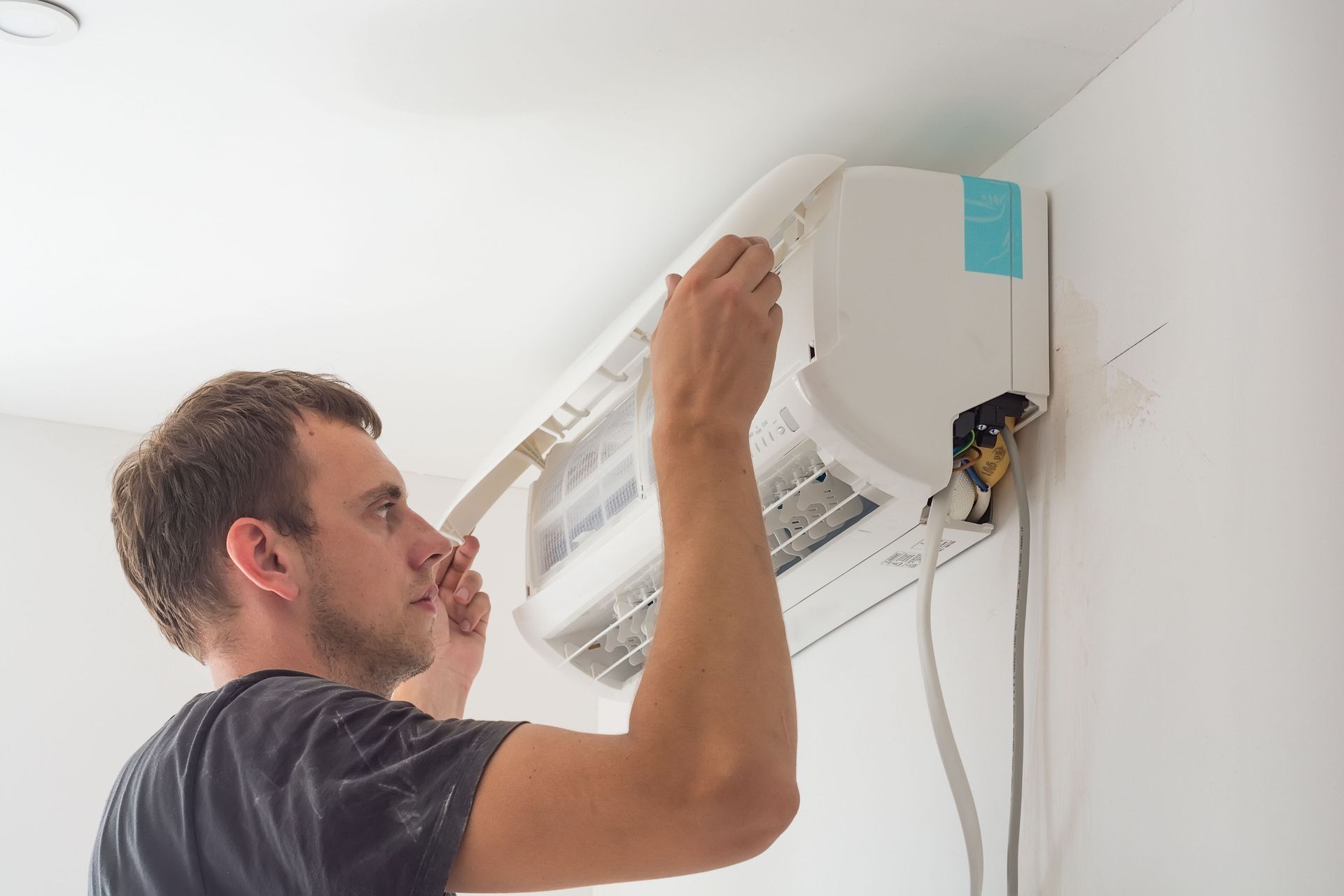
Regular tune-ups for your furnace and air conditioner are crucial in maintaining the optimal performance of your HVAC system. During a tune-up, a professional technician will conduct a thorough inspection to ensure that all components are functioning as they should. This includes examining electrical connections, checking for leaks, and cleaning essential parts to prevent any build-up of dirt and debris. According to a study by This Old House, the majority of HVAC systems last between 15 and 20 years, and regular tune-ups can help ensure your system meets or even exceeds this lifespan. Therefore, tuning up your system not only maintains efficiency but also contributes significantly to its longevity.
Seasonal Timing for Tune-Ups
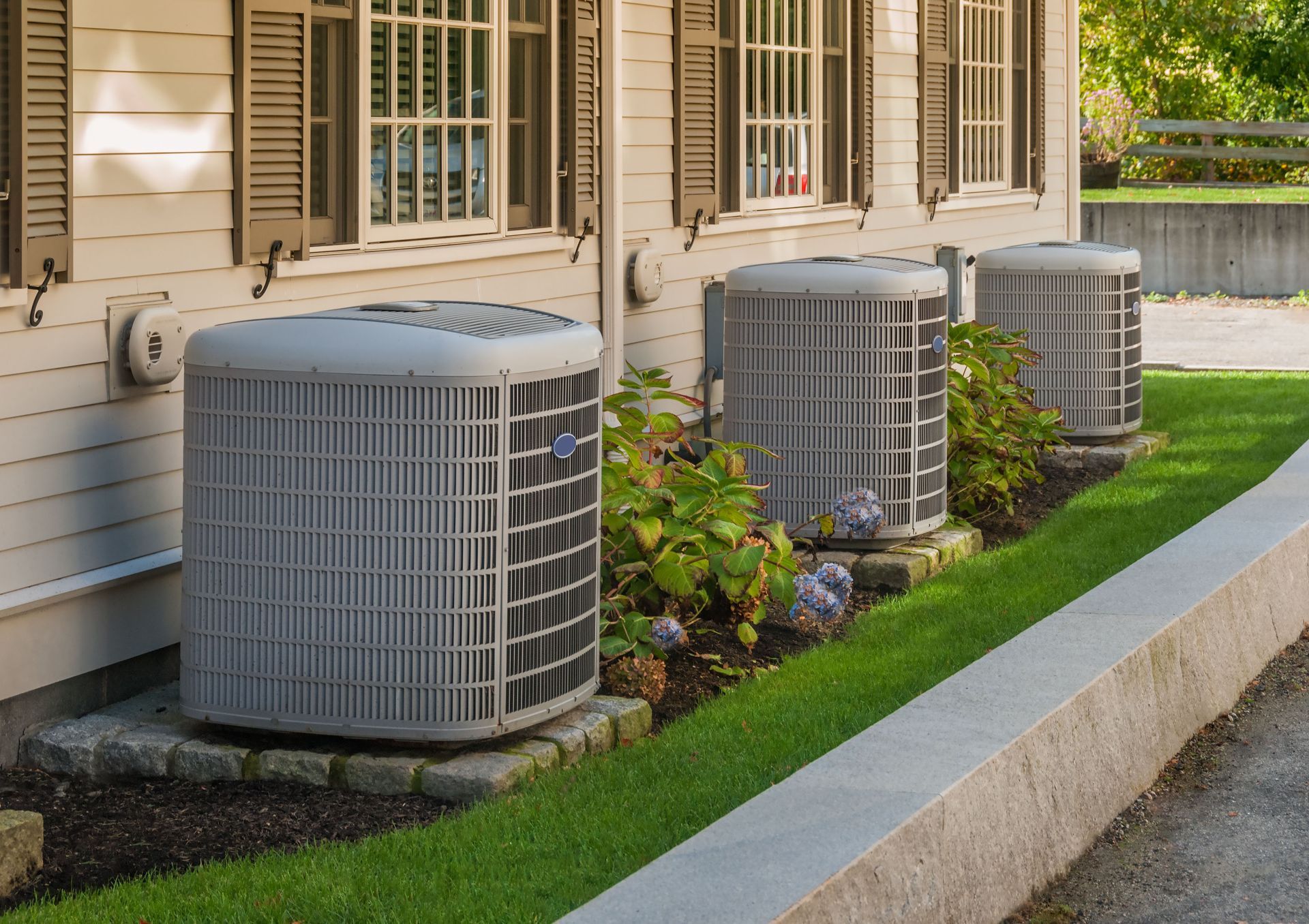
Timing your tune-ups appropriately is key to maximizing the benefits of regular maintenance. Ideally, furnace tune-ups should be scheduled in the fall to prepare for winter, while air conditioner tune-ups are best done in the spring. This ensures that your system is in peak condition before the demanding summer and winter seasons. Regular seasonal tune-ups prevent breakdowns during extreme weather conditions and can enhance the overall efficiency of the HVAC system. By aligning tune-ups with seasonal changes, you can enjoy uninterrupted comfort throughout the year.
2. Filter Replacement and Maintenance
The Role of Filters in HVAC Systems
Filters play a vital role in any HVAC system by trapping dust, pollen, and other airborne particles that can affect indoor air quality. A clean filter ensures that the system can circulate clean air efficiently throughout your home, preventing respiratory issues for the inhabitants. Additionally, by maintaining the flow of unobstructed air, clean filters reduce the energy demands on the HVAC system, enhancing its efficiency and longevity. When filters become clogged, they force the system to work harder, potentially leading to overheating or failure. Thus, regular filter maintenance from professional HVAC services is crucial in safeguarding both your health and the functioning of your HVAC system.
How Often to Have Filters Replaced
The frequency of filter replacement depends on several factors, including the type of filter, usage, and home conditions. Homes with pets or higher dust levels may require more frequent replacements to maintain air quality and system efficiency. Regularly checking filters and adhering to recommended replacement schedules can help you avoid issues associated with airflow restrictions. Effective filter maintenance is a simple yet crucial step in the overall health of your HVAC system.
Impact of Dirty Filters
Dirty filters have a significant negative impact on the performance of an HVAC system. As debris accumulates, it clogs the filter and restricts airflow, prompting the system to work harder and consume more energy. This undue strain can lead to overheating and, ultimately, cause system components to fail prematurely. Furthermore, clogged filters compromise indoor air quality, circulating contaminants that can exacerbate allergies and respiratory issues. By maintaining clean filters, you ensure efficient system operation and a healthier living environment.
3. Thermostat Calibrations and Fixes
Importance of Accurate Thermostat Settings
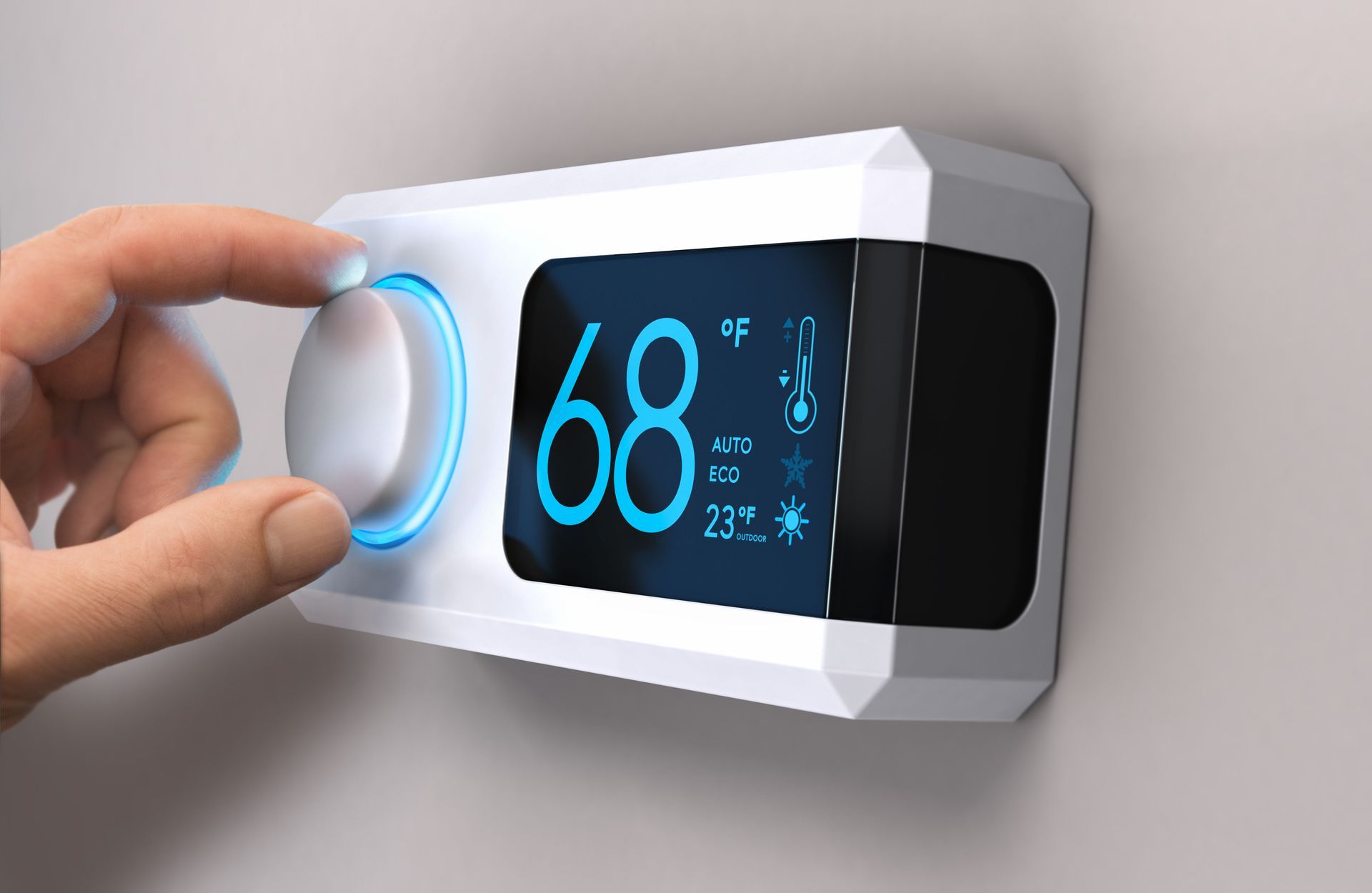
Thermostat calibration from an HVAC services provider is crucial to ensure that your HVAC system operates efficiently and maintains the desired indoor temperature. An accurately calibrated thermostat prevents the system from overworking, optimizing energy consumption, and reducing utility costs. Proper settings ensure comfort for occupants while minimizing the environmental impact of excess energy use. Regular checks can ensure that the thermostat remains accurate, automatically adjusting to changing home needs. By focusing on thermostat calibration, homeowners can improve cost-efficiency and extend system life.
Signs of a Malfunctioning Thermostat
Detecting a malfunctioning thermostat is vital for preventing system inefficiencies and discomfort. Signs of issues include frequent system cycling on and off, inaccurate temperature readings, and failure to respond to settings adjustments. Such malfunctions cause your HVAC system to work harder, contributing to increased energy bills and potential mechanical problems. Regular inspection of the thermostat and recalibration can address many of these issues, restoring proper functionality. An efficient thermostat is essential for maximizing the life of your HVAC system.
Professional Thermostat Services
While some thermostat issues are manageable at home, relying on professional services is your best option for complex problems. HVAC professionals can identify issues that are not immediately apparent and ensure your thermostat functions optimally with your entire system. Comprehensive diagnostic services from these experts can prevent small issues from escalating into costly energy or repair expenses. Opting for professional HVAC services gives homeowners the peace of mind that their HVAC system operates under optimal conditions.
4. Refrigerant Level Checks and Adjustments
Understanding Refrigerant's Role
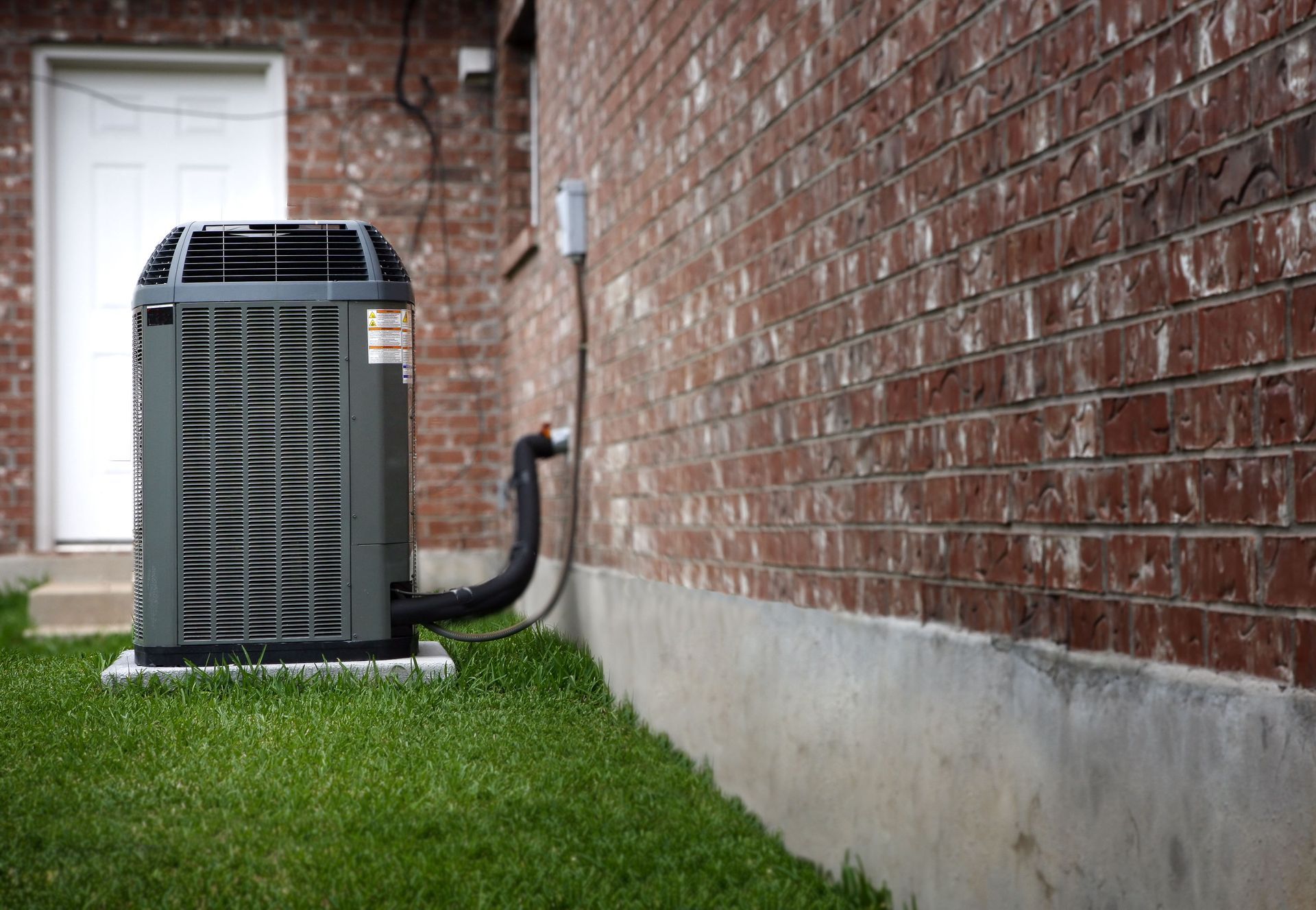
Refrigerant is a key component in your HVAC system's cooling process, responsible for absorbing heat from within your home and releasing it outside. Proper refrigerant levels are essential to maintaining the system's cooling capacity and overall efficiency. An HVAC system with the correct refrigerant charge will run effectively, reducing energy costs while providing optimal cooling. Regular checks and adjustments ensure that the refrigerant operates in a closed system without leaks, preserving environmental safety and performance. Understanding and maintaining correct refrigerant levels is critical to the system's life span and functionality.
Signs of Low Refrigerant Levels
Recognizing the signs of low refrigerant levels is crucial for preventing significant damage to your HVAC system. Common symptoms include system efficiency declining, warm air blowing from vents despite the AC setting, and hissing sounds near the unit. A buildup of ice on refrigerant lines or coils is another warning sign of low refrigerant levels. Resolving these issues promptly with professional help can restore functionality and prevent system strain. Timely intervention can help avoid extensive damage and extend your HVAC system's lifespan.
5. Inspection and Maintenance of Your System
Comprehensive System Inspections
Conducting comprehensive inspections of your HVAC system's components ensures efficient, trouble-free operation. During these inspections, technicians evaluate critical elements such as thermostats, coils, and electrical connections, checking for signs of wear or damage. These evaluations help identify potential issues early, allowing timely intervention to extend the system's lifespan. A complete inspection includes assessing the system's performance as a whole, identifying inefficiencies that may inflate energy consumption. Regular inspections help maintain the integrity and functionality of your HVAC system.
Emergency vs. Preventive Maintenance
Understanding the distinction between emergency and preventive maintenance can save homeowners significant time and expense. Emergency maintenance involves addressing unexpected breakdowns, often resulting in costly repairs and extended downtime. In contrast, preventive maintenance focuses on routine check-ups and early detection of potential issues, allowing for timely interventions that prevent emergencies. Preventive maintenance promotes long-term system health, efficiency, and cost savings by minimizing the likelihood of substantial breakdowns. Prioritizing preventive maintenance is a proactive approach to ensuring reliability and functionality in HVAC systems.
Regular HVAC maintenance and services are essential for the longevity and efficiency of your system. By scheduling top-tier HVAC services, homeowners can ensure their systems operate effectively, saving both money and energy in the long run. Prioritizing these services is a proactive step towards a comfortable, sustainable, and healthy home environment. If you need to have your air conditioning unit repaired or upgraded, contact The Unik Company!